
Here’s a shocker:
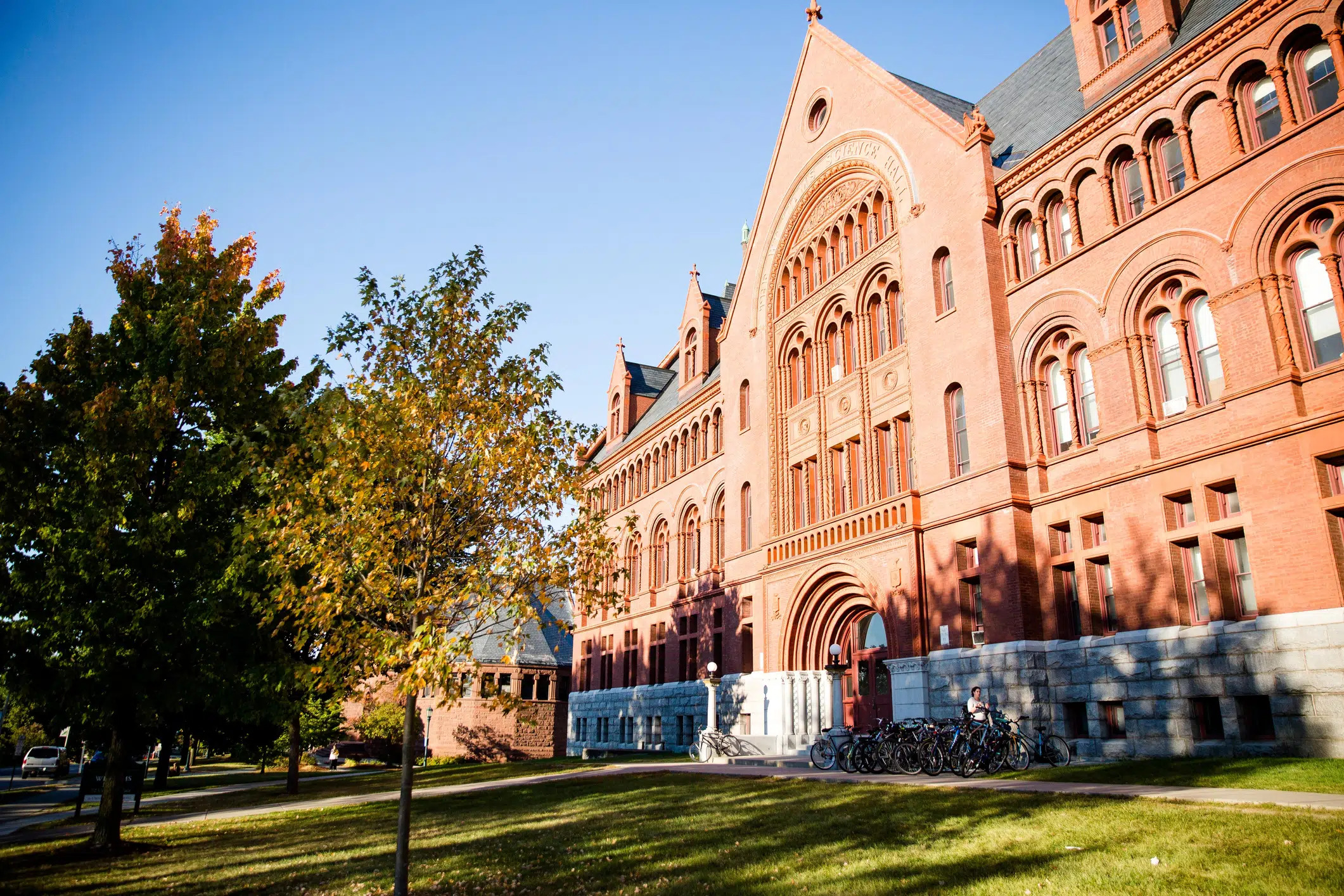
As the Post-Gazette reports it, a survey of faculty at six state-owned universities (including three in Western Pennsylvania) shows “scant support for mergers.”
No wonder, considering a certain number of these unionized faculty members will lose their situations.
But it has become abundantly clear that if the Pennsylvania State System of Higher Education (PASSHE) does not take this step and others, PASSHE, in its current iteration, is not sustainable and will not survive.
Nevertheless, the union representing faculty (The Association of Pennsylvania State College and University Faculties, or APSCUF) – which is no small tumor in the cancer of PASSHE’s cost-structure failures – balks at aggressively treating the malady of sharp student census drops that leaves the system out of financial whack.
While APSCUF says it understands the need for reforms, its posturing more than suggests it is willing to risk killing the host. On whom will it prey then?
Sound public policy demands better.
Inquiring minds want to know:
They’re circling the wagons at the Pennsylvania Public School Employees Retirement System (PSERS). And they’re doing the same in state government over news reports that the commonwealth’s largest public employee pension system is under federal investigation.
What is known is that, according to state Treasurer Stacy Garrity (speaking before the Senate Appropriations Committee), “federal subpoenas have been served on several PSERS management officials.”
But she’s not saying anything more. And neither is anyone else.
PSERS did disclose a few weeks ago that it is investigating a consultant’s erroneous calculation of the fund’s investment performance. Actions by the consultant and PSERS staff are being investigated internally.
As The Associated Press reported it:
“The calculation — 6.38 percent growth over the nine years ending last June 30 — was slightly above a 6.36 percent growth threshold, thus protecting nearly 100,000 active school employees who are retirement system members from seeing a higher risk-sharing contribution rate kick in next July 1.”
But it remains unclear if that’s what the feds are investigating or something else because it’s been mum’s the word from those involved.
Sound public policy, however, demands transparency. And when it doesn’t come – and when PSERS lawyers up, as it has — it only fuels speculation that a “miscalculation” is a full-blown scandal.
Colin McNickle is communications and marketing director at the Allegheny Institute for Public Policy (cmcnickle@alleghenyinstitute.org).