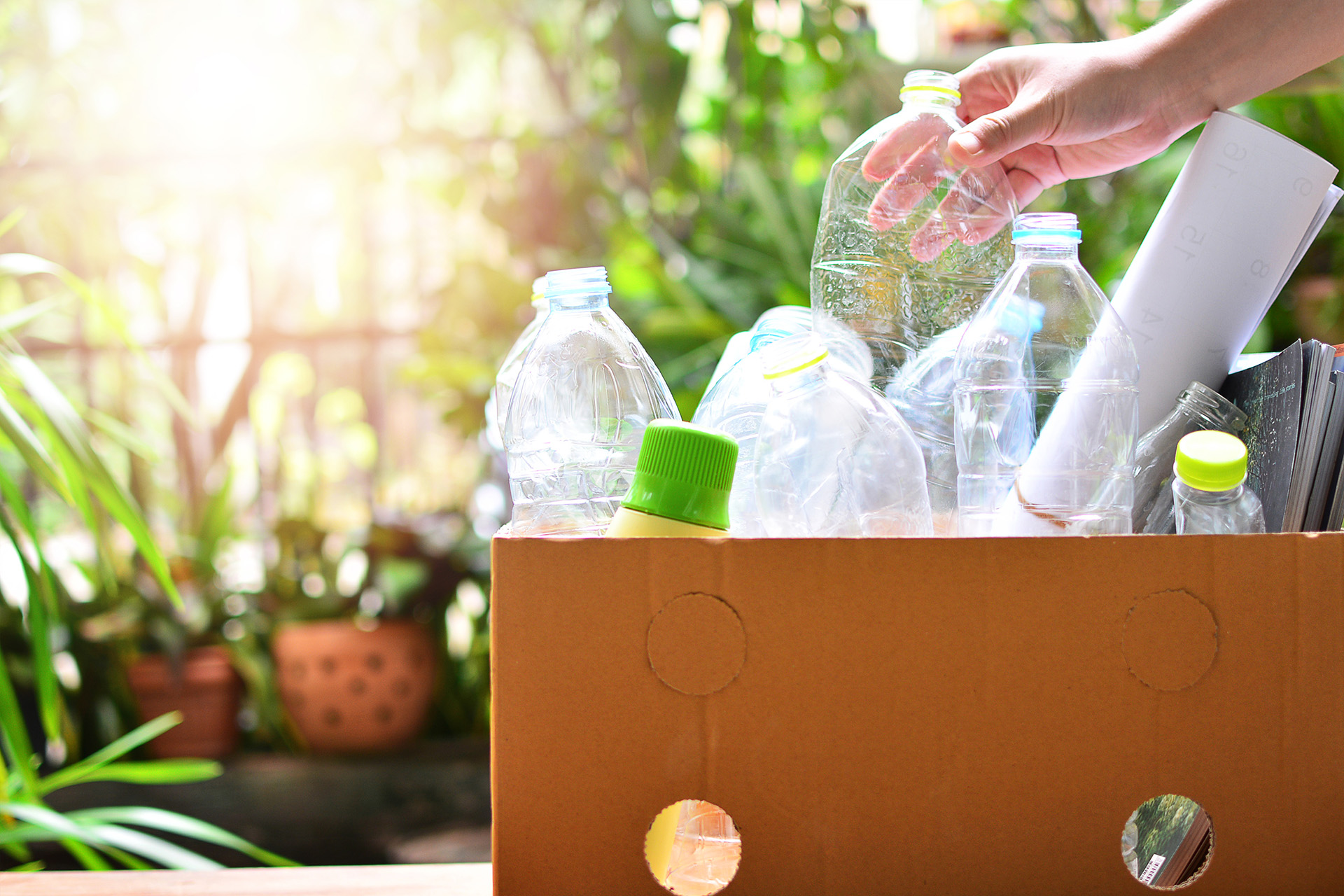

Every few months, it seems, someone, somewhere in Greater Pittsburgh laments the fact that municipal recycling efforts are falling far short of their intended purposes.
To wit, not along ago, Pittsburgh ecocrats were raising alarm bells over the growing number of plastic products that, for varying reasons, are not recyclable and, though collected specifically for that purpose and temporarily parked in various places, end up in landfills anyway.
But recycling has a dirty little secret that’s not so flattering: It’s quite wasteful in and of itself.
As City Journal’s John Tierney recently pointed out:
“Even Greenpeace has finally acknowledged the truth: Recycling plastic makes no sense.
“This has been obvious for decades to anyone who crunched the numbers, but the fantasy of recycling plastic proved irresistible to generations of environmentalists and politicians.
“They preached it to children, mandated it for adults and bludgeoned municipalities and virtue-signaling corporations into wasting vast sums — probably hundreds of billions of dollars worldwide — on an enterprise that has been harmful to the environment as well as to humanity.”
Tierney, a Pittsburgh native, cites a recent Greenpeace study. It’s conclusion?
“Mechanical and chemical recycling of plastic waste has largely failed and will always fail because plastic waste is extremely difficult to collect; virtually impossible to sort for recycling; environmentally harmful to reprocess; often made of and contaminated by toxic materials and not economical to recycle.”
Of course, Greenpeace’s supposed counter-solution is no better, Tierney adds: “It proposes finally to ‘end the age of plastic’ by ‘phasing out single-use plastics’ through a ‘Global Plastics Treaty.’”
Right.
Despite the facts, many eco-zealots in Greater Pittsburgh insist we must recycle because it is “the moral thing to do.”
The moralists on Pittsburgh City Council got into the act this past year by passing legislation to ban “single-use” plastic bags, such as plastic grocery store bags.
But it is folly on its face.
“Banning single-use plastic grocery bags has added carbon to the atmosphere by forcing shoppers to use heavier paper bags and tote bags that require much more energy to manufacture and transport,” Tierney notes (of the practice, in general). “The paper and cotton bags also take up more space in landfills and produce more greenhouse emissions as they decompose.”
And, he adds, such tote bags aren’t reused nearly often enough to offset their initial carbon footprint, not mention being breeding grounds for bacteria and viruses because they’re rarely washed properly.
“Researchers have repeatedly found these bags to be responsible for gastrointestinal infections, but the warnings got little attention until the COVID pandemic suddenly revived respect for disposable products,” Tierney recounts.
Tip of the hat, by the way to my friend, economist Don Boudreaux, for referencing Tierney’s essay in a letter to one of his readers who argued thusly:
“The market may fail to realize the true social value of recycling household plastic containers and cardboard. That’s why the moral case for recycling is of huge importance.”
But as Boudreaux notes, reality implies that any “’moral case for recycling’ is a mirage.”
“If the moral course of action is not to waste resources, then there’s nothing moral about making people feel guilty if they don’t recycle items for which there is no existing market (save that which might have been created artificially by political diktat).”
Sad to say, ignorance and politics, in Pittsburgh and many other locales, have for far too long combined to create public policies more harmful than helpful and totally unsustainable.
Colin McNickle is communications and marketing director at the Allegheny Institute for Public Policy (cmcnickle@alleghenyinstitute.org).