
A local newspaper editorial has, shockingly, redefined the phrase “tone-deaf.” And it borders on recklessness.
In its Sunday lead editorial, the Pittsburgh Post-Gazette implores the public to, as the headline states, “Return to the office, for Downtown Pittsburgh’s sake.”
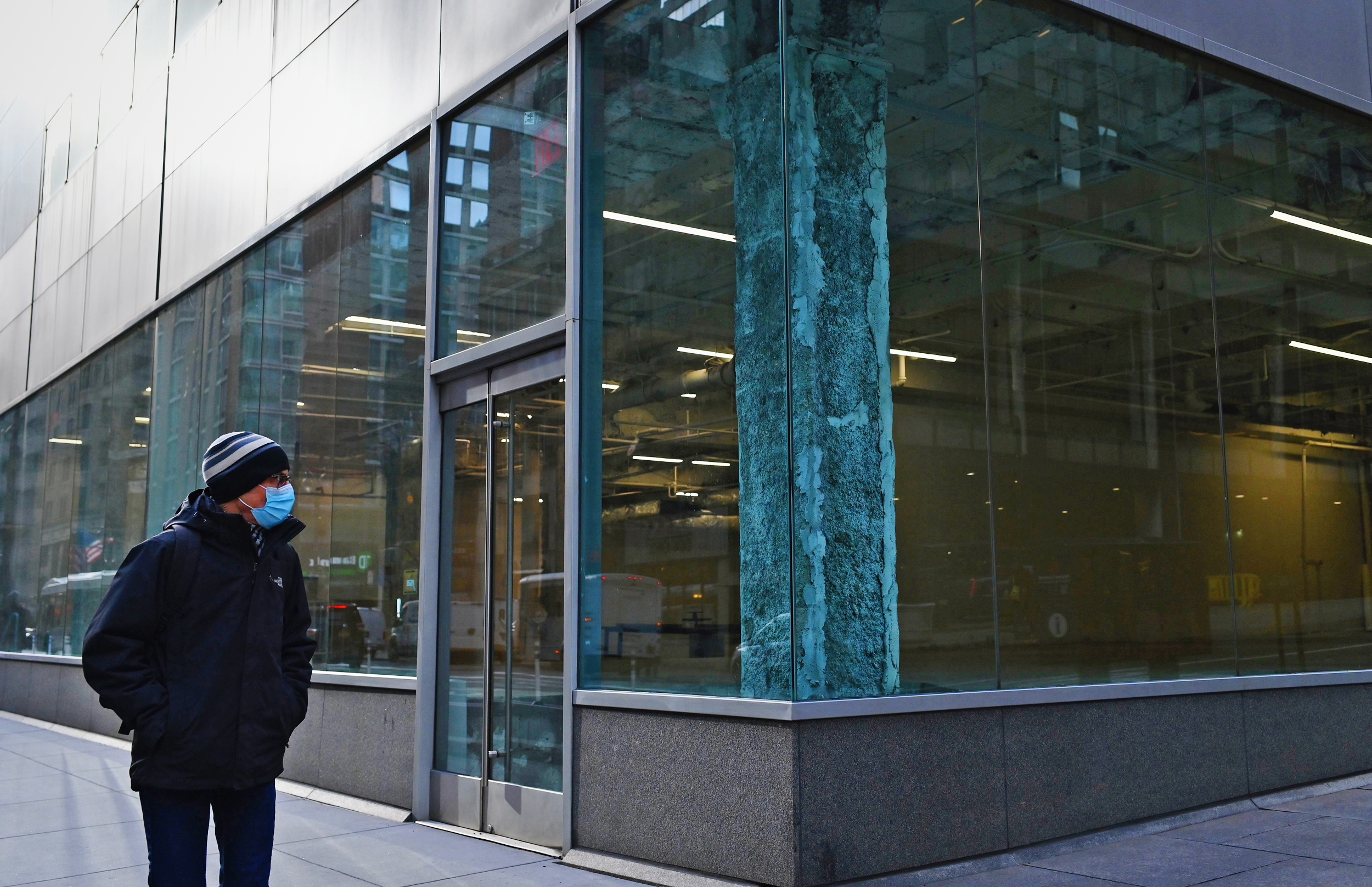
The Golden Triangle, of course, was plagued by a high office vacancy rate even before the coronavirus pandemic struck in early 2020. But since that time, and to this day, Downtown has been gasping for air.
While the P-G editorial notes that November was the first month that the number of employees working Downtown reached a mere 50 percent of the January 2020 benchmark, “a survey of badge swipe volume at 20 Downtown properties [shows] those offices are operating at only 22 percent of capacity, compared to January 2020, on a day-to-day basis.”
“This is simply not sustainable. People need to come back, or Downtown will wither, and the city and region that depend on it will suffer,” the editorial says.
The exact reasons for the continuing Downtown office worker malaise should be obvious as the pandemic has waned: Pandemic-induced lockdowns that led to a work-from-home necessity created a new normal, one that has proven to be quite cost-effective and productive for employers and employees alike.
And market forces appear to make it very likely that work-in-office counts never will return to pre-pandemic levels.
That’s not the only variable in this equation in play, however. And it is a quite important variable which the Post-Gazette editorial gave remarkably short shrift:
As we’ve noted before, Downtown Pittsburgh has become a veritable cesspool of violence, open-air drug dealing, public urination and defecation for a growing population of criminals, other law-breakers and vagrants.
And it’s a trend that began, as with office vacancies, before the pandemic.
But it’s not before the 10th paragraph of an 11-paragraph editorial that the P-G even acknowledges the problem. To wit:
“Every commuter who comes back isn’t just a potential sandwich-eater, bouquet-buyer or cocktail-drinker. They’re each one more point of contact for people who don’t work Downtown, to remind them of its amenities and to reassure them that it’s safe — and will get safer the more employees come back.”
That is exactly backwards. Downtown’s serious lawless and orderless problem must be addressed and now. To implore “employers in the urban core” to “encourage as many workers as possible to return to the office, at least a few days each week” quite frankly is reckless, given what has been transpiring Downtown and what has not been done about it.
If downtown Pittsburgh is to mount any kind of meaningful return as a more populated in-person center of business, commerce, culture and entertainment, law and order first be restored. There are no substitutes.
In conclusion, the P-G argues that “encouraging employees to return to the office — and accepting such an encouragement — is a civic duty.”
Sorry, but nobody has a civic duty (outside of war) to place themselves in harm’s way. And nobody certainly has the right to tell anybody they should do so.
Colin McNickle is communications and marketing director at the Allegheny Institute for Public Policy (cmcnickle@alleghenyinstitute.org).
.